
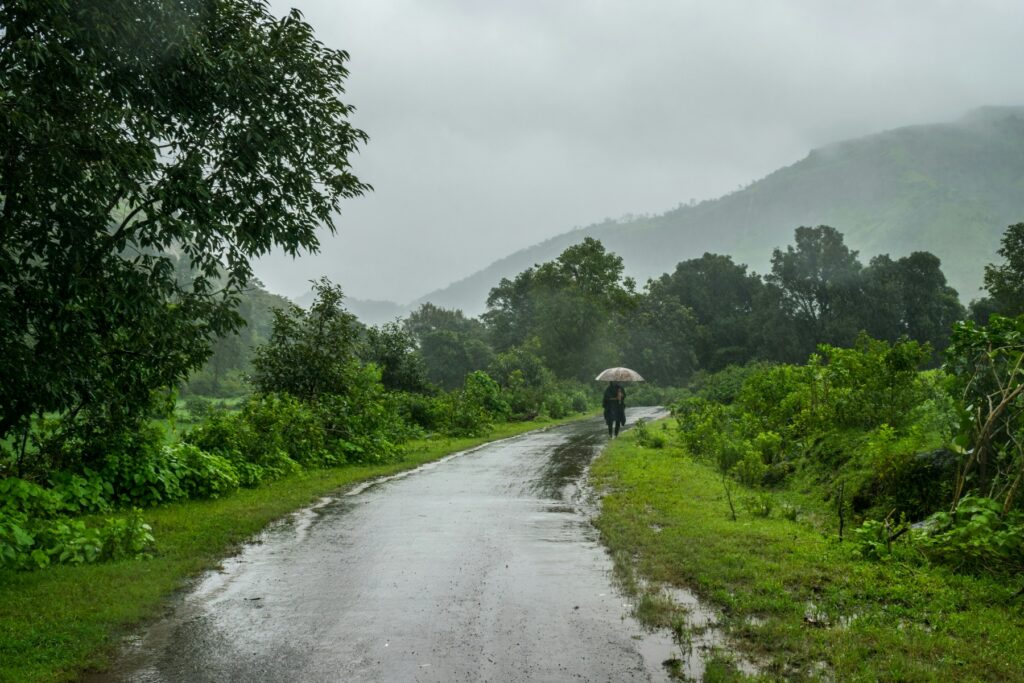
The monsoon sets the pace of life for billions of people in Asia and influences every travel plan for the region. Depending on the country visited, the monsoon season lasts anywhere from a few weeks to six months, with concrete implications for your safety, your health and your budget. This guide explains how the phenomenon works, provides details on the rainy seasons in each country, and outlines the risks to anticipate. You’ll walk away with the keys to Select your travel dates and the coverage that best suits your needs, whether you’re going on vacation, moving abroad, or participating in a university exchange program.
- The Asian monsoon is characterized by a seasonal reversal of winds that bring heavy rains.
- The summer monsoon generally lasts from June to October in South and Southeast Asia.
- Indonesia and East Malaysia reverse this schedule because of their equatorial location.
- The rainy season increases health risks: dengue fever, malaria, leptospirosis…
- International health insurance provides coverage for high medical costs and repatriation.
What is the monsoon?
The word “monsoon” comes from the Arabic word “mawsim,” which means “season.” It refers to a seasonal wind pattern in which the wind direction reverses twice a year between the continent and the ocean. This phenomenon primarily affects South Asia, Southeast Asia, and part of sub-Saharan Africa.
1) Summer monsoon and winter monsoon: two opposite phenomena
In summer, the land heats up quickly and draws in moist air from the ocean. Winds blow from the sea toward the land and bring heavy rains: this is the summer monsoon. In winter, the temperature gradient reverses. Dry winds blow from the continent toward the ocean, ushering in a dry season.
2) Why Asia Experiences the World's Most Intense Monsoons
The Himalayas and the Tibetan Plateau block masses of moist air and force them to condense. The temperature contrast between the vast Asian landmass and the Indian Ocean amplifies this phenomenon. As a result, certain regions in northeastern India experience some of the highest annual precipitation levels in the world.
A Region-by-Region Calendar of the Monsoon Seasons in Asia
The geography of Asia necessitates a breakdown by subregion, as the dates vary significantly.
South Asia (India, Sri Lanka, Maldives)
The southwest monsoon begins in June and lasts through September. It accounts for about 75% of annual rainfall. A second, shorter monsoon affects southeastern India and Sri Lanka between October and December.
Mainland Southeast Asia (Thailand, Vietnam, Cambodia, Myanmar, Laos)
The rainy season lasts from May through October. Showers often occur in the late afternoon, in the form of short, intense thunderstorms. The dry season, from November through March, is still the recommended time to visit.
Insular Southeast Asia (Indonesia, the Philippines, Malaysia, Singapore)
The proximity to the equator blurs the distinction between the seasons. In Indonesia, the dry season runs from May through September. In Peninsular Malaysia and Singapore, rainfall increases toward the end of the year.
East Asia (Taiwan, southern China, Japan)
Taiwan experiences a wet monsoon season from April through September, intensified by typhoons from August through October. Japan experiences the baiu, a rainy season that lasts from June through mid-July.
Whether you’re traveling for vacation, living abroad, or studying abroad, at Mondassur you’ll find the health insurance plan that’s right for your destination and the length of your stay, with personalized support from our advisors available worldwide.
Traveling During the Monsoon: 4 Risks to Be Aware Of
Health Risks: Vector-Borne Diseases
Stagnant water promotes the proliferation of mosquitoes. Dengue fever, malaria , and chikungunya are on the rise during the rainy season, particularly in Thailand, the Philippines, and northern India. A severe form of dengue requires hospitalization for several days with monitoring of platelet counts. Leptospirosis leptospirosis, which is transmitted through contaminated water, affects travelers exposed to flooding and rice paddies. Protect yourself with insect repellent suitable for tropical areas, clothing that covers your skin after dark, and—depending on your destination—antimalarial medication prescribed before departure.
Accidents and Injuries
Wet roads increase the risk of accidents, especially for motorcyclists, a very common mode of transportation in Thailand, Vietnam, and Indonesia. Drowning while swimming in rough seas is one of the leading causes of hospitalization among travelers in Southeast Asia. Ocean currents intensify during the rainy season. Pay attention to beach flags and avoid driving at night on secondary roads.
Logistical disruptions
Canceled domestic flights, suspended ferry service, and closed roads complicate travel plans, especially in the Philippine and Indonesian archipelagos. Delays of 24 to 48 hours are common during peak season. Allow plenty of time between connections and save your reservations offline. Good travel insurance will reimburse you for additional expenses related to these unforeseen circumstances, such as alternative accommodations, meals, and a new plane ticket.
Floods and Evacuations
Typhoons and landslides can sometimes necessitate emergency evacuations, particularly in the Philippines and Taiwan between August and October. Medical repatriation from a remote area can be extremely costly without adequate coverage. Follow alerts from local authorities and register with the consular registry of your home country before you leave.
Which health insurance plan should you choose based on your plans in Asia?
Private clinics and hospitals in Asia charge high fees and require immediate payment upon admission. Your standard insurance coverage rarely extends beyond national borders, and medical repatriation from Asia is very expensive. International health insurance eliminates the need to pay upfront and provides peace of mind during your stay, especially given the increased risks associated with the rainy season.
Which plan should you choose based on your profile?
For more than 20 years, Mondassur has been supporting expatriates, students, and travelers in their international endeavors, particularly in Asia. Our advisors are available to answer your questions.
- Are you going on vacation? Travel Insurance Mondassur’s coverage includes medical expenses, medical evacuation, trip cancellation, and lost luggage. It is essential for any vacation in a monsoon region.
- Are you an expatriate, or are you planning to move abroad? Expat insurance covers routine medical care, hospitalization, and medical evacuations for you and your family, with reimbursement starting from the first euro.
- Are you interested in studying abroad? International student insurance meets the requirements of foreign universities and provides coverage for your exchange semester or year, with rates tailored to a student’s budget.
Key Takeaways
The monsoon season affects Asia, but it doesn’t have to derail your plans. With the right schedule, a few preventive measures, and insurance tailored to your needs, you can travel with peace of mind any time of year. Our advisors at Mondassur will help you choose the coverage that best suits your destination and the length of your stay.
Need advice on finding health insurance?
Yes. Rain showers rarely last all day, and the rainy season offers lush green landscapes, fewer tourists, and lower prices. Just adjust your itinerary accordingly.
Singapore and western Indonesia experience rainfall throughout the year without a severe rainy season. The Maldives also enjoy a stable climate from January through April.
No. Typical showers occur in the late afternoon or early morning, in the form of intense thunderstorms lasting from thirty minutes to two hours.
Coverage varies by policy. Make sure your coverage includes cancellations due to major weather events and flight delays. Request a personalized quote to find out the exact terms and conditions.
Vaccinations against hepatitis A, typhoid, and yellow fever are recommended depending on your destination. Malaria prophylaxis is still essential in certain regions. Consult an international vaccination center before departure.
